Pocket Disc Giveaway
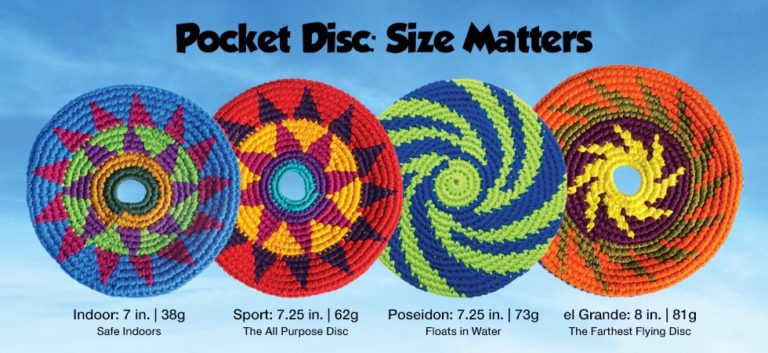
The Pocket Disc was born with the intention of getting people to disconnect from their devices so they can connect in the real world. Over a million sold later, the Pocket Disc continues to unite the people we love and…

Articles on throwing
The Pocket Disc was born with the intention of getting people to disconnect from their devices so they can connect in the real world. Over a million sold later, the Pocket Disc continues to unite the people we love and…

I was asked by Ryan Lowe to analyze his backhand (pull and huck). Ryan Lowe has been releasing some great content, most recently 8 Tips to Throwing a Longer Forehand. I haven’t done many of these but I do have…
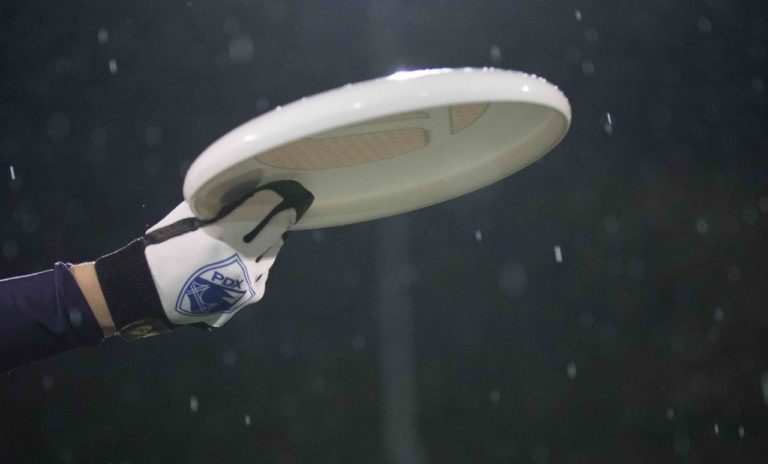
Friction Gloves are the original and #1 disc gloves in the world. We established gloves in ultimate & disc golf. We are giving away three (3) pairs of Friction Gloves, with your choice from the three (3) different gloves that…

Check out the first tutorial video from Canadian ultimate player Ryan Lowe, as he goes through his 8 steps to throwing a longer forehand. The production quality is incredible, his explanations are spot on, and very easy to follow. I…

A good pull is like having an 8th defender on the field. The goal is to get the disc as far down the field with as much hang time as possible, to give the pulling team time to run down…

Carry around a frisbee while you walk from class to class or while sitting and watching TV and just mess around with it.
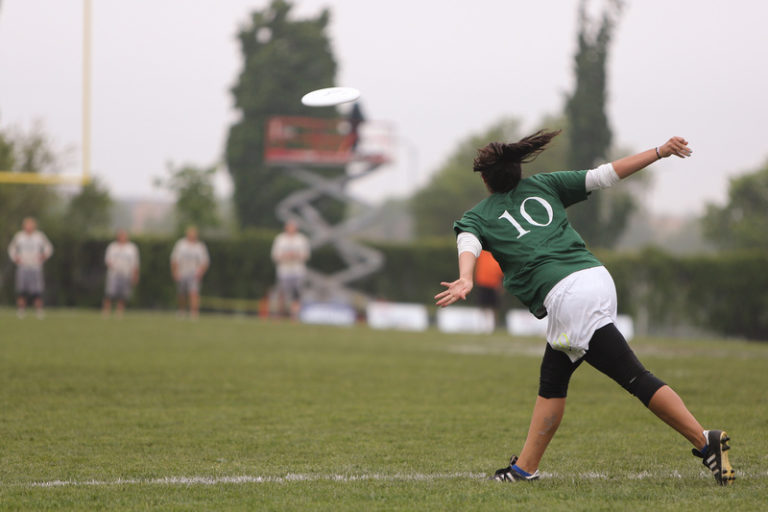
I retired from playing and competing in all disc sports exactly thirty years ago. Playing since the 1960s, injuries and my age over a twenty-year career said it was time to move on. Changing all the activities in my life,…
This is a great drill/game to work on your quick release, catching, throwing, disc awareness, eye/hand coordination, and timing of your throwing & catching. Comment below with how long you were able to do this challenge with a partner!

If you’ve ever had too many people to set up an ultimate game, then you should give World War Free a try. This game is for as few as 10 players all the way up to 150 players or more!
This article was inspired by a series of questions from Erin Faylona, an ultimate player living in the Philippines, who is currently taking her masters in human movement science. She is working on a paper (for Biomechanics) and has decided…

(A fast-freestyle playing exercise/guide for learning and practicing disc handling skills used in ultimate) In the early days of Frisbee before disc sports, the original attraction was just to watch the Frisbee fly. At first, this was enough; the sheer…

When I was learning to play Ultimate, I didn’t have a coach, mentor, or Ultimate Rob videos. I had to teach myself the game and whenever my friends learned something new, we’d spread the knowledge with each other. I was…
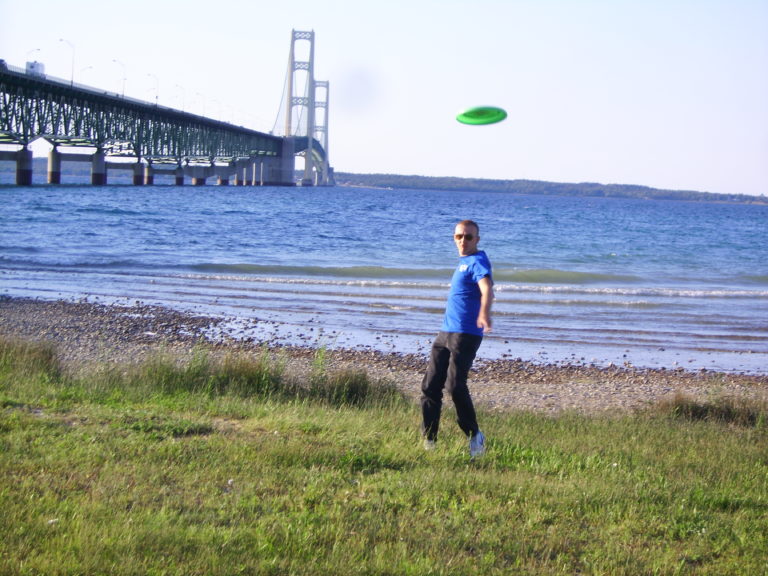
For me, I approach throwing practice for ultimate much like practicing hitting balls/putting for golf. You want to focus on repetition, different throws (forehand, backhand, hammer, scoober, etc), different lengths (short, medium, long, hucks and pulls) and different situations (like…

Improving your eye-hand coordination will help you with throwing, catching and marking. Here are 2 drills which can help improve your eye-hand coordination. You can buy the Whiz Ring here: The shirt I’m wearing is from my official SAVAGE…

The best way to describe throwing a forehand is comparing it to a vertical jump. As we know, vertical jumping ability is directly influenced by the speed of the force exerted against the ground during a fixed span of time;…

This post was in response to a fan who had a few questions about handling and marking both on offense and defense. Rob, I’m a combination handler/cutter for I just had a few questions about handling against tight marks and…

Abstract The goal of this study was to determine if certain throwing techniques for the sport of Ultimate Frisbee were advantageous relative to other techniques. The defense can attempt to force a thrower to utilize a specific throw; knowing the advantages of…
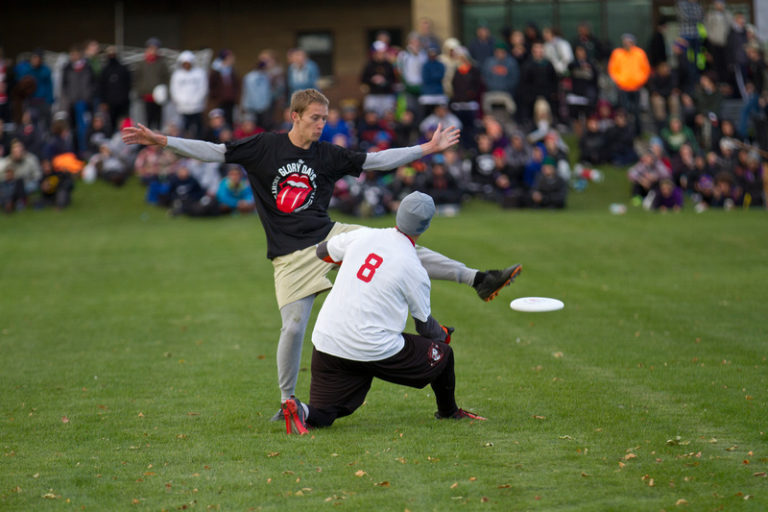
This post was inspired by a question on facebook from one of my fans. Let me know if you have any questions related to o-line handling. Q: Hey bro,could you give me some pointers on how to be an O-Handler?…

Along with the most common throws in ultimate, we have the ability to throw a bunch of other throws which aren’t very common or never ever used in a game…but they’re throws and learning to throw them is a good…

Whether you’re new to the sport or you’ve been playing a long time, there are some throws which are crucial to being a good handler. Some of these throws you will use far less often than the standard forehand and…
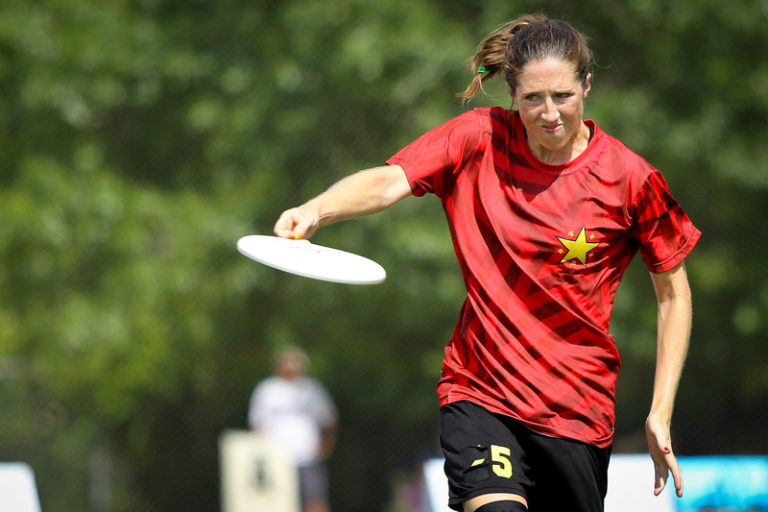
This post is based on the following question from Max S: Question: I had a couple questions about throwing the disk. The first is about throwing in crosswind. My understanding of crosswind throwing seems to be flawed. Example: Wind is going right to…