Why Does Canada Have Poor Spirit of the Game?
Canada’s ultimate scene faces a Spirit crisis. It’s time to stop pretending we’re different and start practicing what we preach - on and off the field.

Articles about the psychology of ultimate
Canada’s ultimate scene faces a Spirit crisis. It’s time to stop pretending we’re different and start practicing what we preach - on and off the field.

Teenagers need a break from ultimate to grow, avoid burnout, and build new skills.

Today is #BellLetsTalk day. There are many stories being shared and so many people are talking publicly about their struggles for the very first time. For many, that’s the first step on a long journey. Others started on that journey a while…

One of the biggest factors in your development as an ultimate frisbee player is actually what TEAM you belong to. In this video, I talk about the things to look out for (and avoid) when it comes to recreational ultimate…

I was lucky enough to meet John Kofi – The Ultimate Life during the summer when I was in France coaching the U17 Israeli National Team. Not only is John a quality human, but he also puts in an incredible…

The 2nd Edition of the College Women’s Ultimate Resources Manual is now available to you for FREE!

Video games have been a part of our daily lives for quite some time. The first ever video game was created in 1958 by William Higinbotham and then was popularized by Pong in the 70s. Since then we have seen…
I retired from playing and competing in all disc sports exactly thirty years ago. Playing since the 1960s, injuries and my age over a twenty-year career said it was time to move on. Changing all the activities in my life,…

As some of you may know, I am very big fan of acronyms. Today’s; ABM, always be moving, both on D and on O. This serves three purposes.
Teams across the globe know how important it is to have home field advantage. When NFL teams travel to New Orleans or Seattle, chances are, the home team comes out with the dub. Matter of fact, those two teams are…
For all those great teams to have become great, there had to be a starting point. You think the University of Alabama just magically got good at football? Although Nick Saban might as well be a Houdini, magic isn’t the…

24th May 2014 I happened to be running into the room to hunt for one of my campers when I saw Narmada from Chennai writing a log. I asked her if she writes every day and If I could translate…

Ultimate frisbee. Ultimate. Frisbee. For those of us who play the sport, we know what it’s all about. But for someone who has never heard of it, what will they think when we ask if they play “ultimate” or if…

Captaining my Ultimate team has been the most stressful job of my college career. Forget the midterms, forget the finals, forget about juggling my job, school, church, and girlfriend. But no matter how stressful the role was, the payoff was…

As an intermediate player I used to wonder why our captains and coaches insist on running the same drills over and over again. Frankly, I found it boring! I assumed drills, like warming up and stretching, was a waste of…
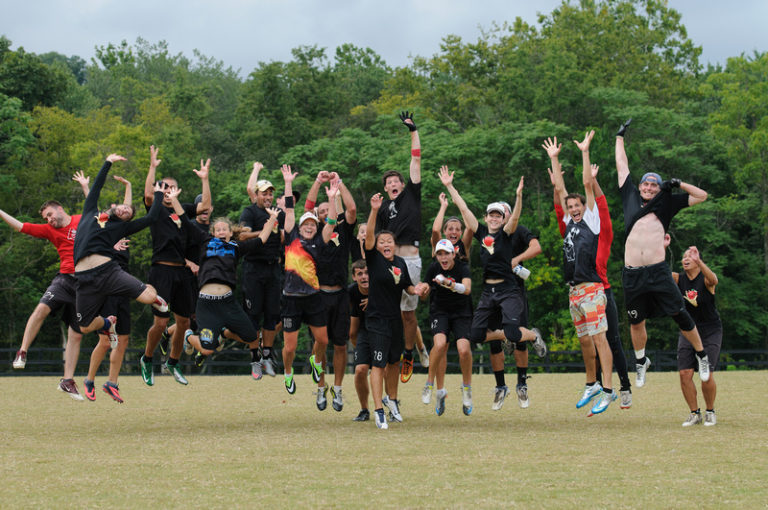
Or more specifically…why college players should play club ultimate. Playing Ultimate shouldn’t be reserved just for half of the year. The feeling of skying someone who has been talking trash the whole day, getting to lay out for the winning goal and have…

Danielle Fortin, a World Champion and 3 time Canadian Champion, talks about one of the problems facing high level ultimate with more players getting into the sport at a younger age. She also relates her experience when she felt burnt…
We have been hearing it for years from Brodie Smith when he tells us to “Man Up”. But what does it mean. Check out this fantastic TEDx talk by Carlos Andrés Gómez talking about what it actually means to truly “man…

Elliot Trotter, founder and editor-in-chief of Skyd Magazine also plays for the Seattle Rainmakers in the MLU. From the time he started playing in college, he’s been cut many times and sometimes from teams he thought he should make. Most…

Get to know Leif Force and Phil Laak In an article published on Slate, it states there that 4.7 million Americans played Ultimate Frisbee at least once in 2010. It also revealed that more than 1.5 million people play this…

I’m headed into my 7th event of the season, my 5th of five in a row. I’ve basically been on the road since Thanksgiving, most of my stuff is in a friend’s garage, and the rest of my worldly possessions…